
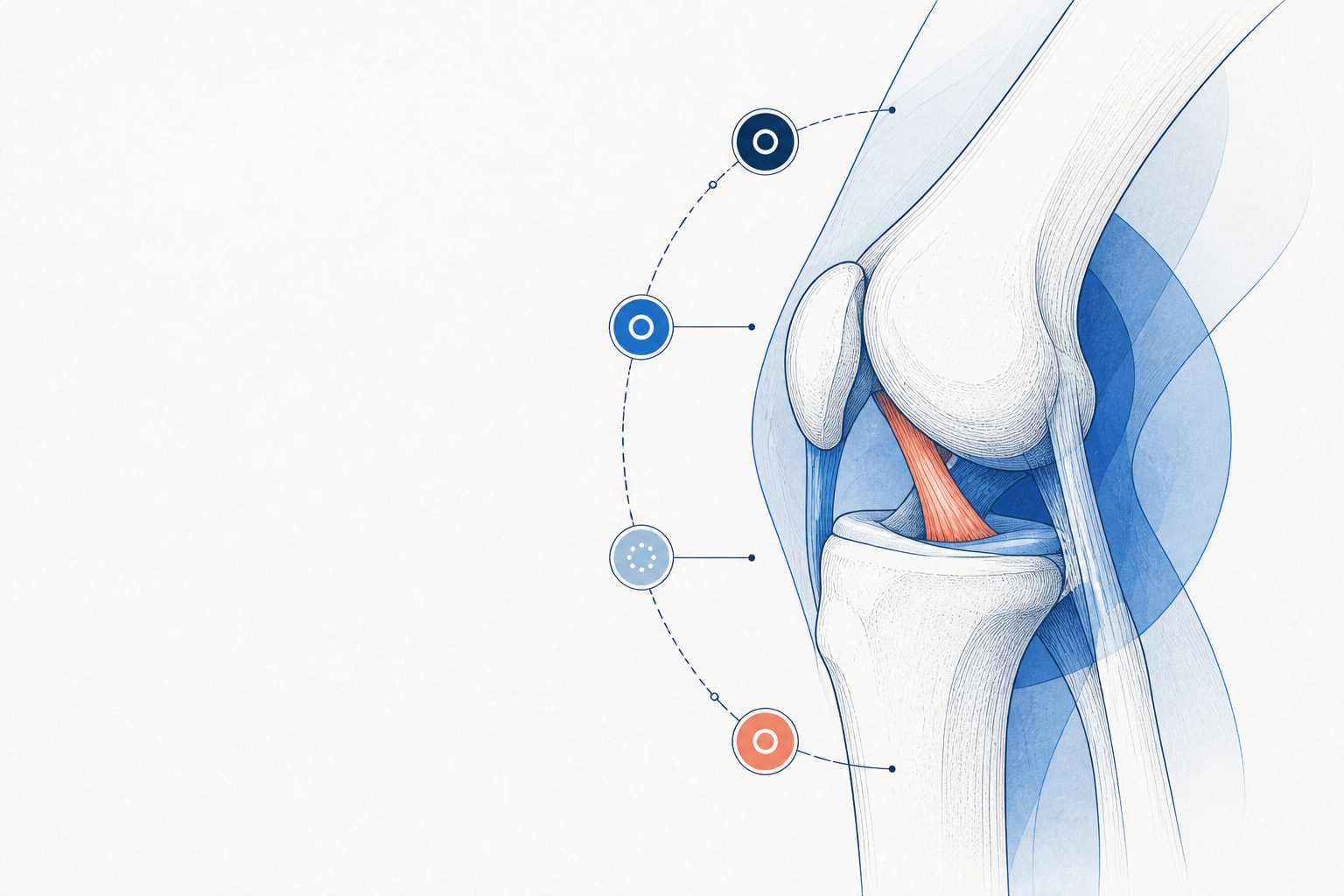
It is difficult to trust the knee during daily tasks
Knee and ACL
Build the capacity your knee needs for the next stage
Progress from foundational movement and strength to single-leg control, running and more complex tasks according to your goal and response.
When this may be relevant
When knee rehabilitation may be useful
The process may help when a knee limitation affects daily life, work, training or a return to activity after surgery, in line with the medical guidance you have received.
Movement and strength need to be rebuilt after a period of reduced activity
You are moving from basic tasks toward running or sport demands
The focus
Build capacity before increasing demand
Knee rehabilitation progresses according to function and response to load. Each stage prepares for the next—from walking and stairs to running, landing and changing direction, depending on your goal.
The process
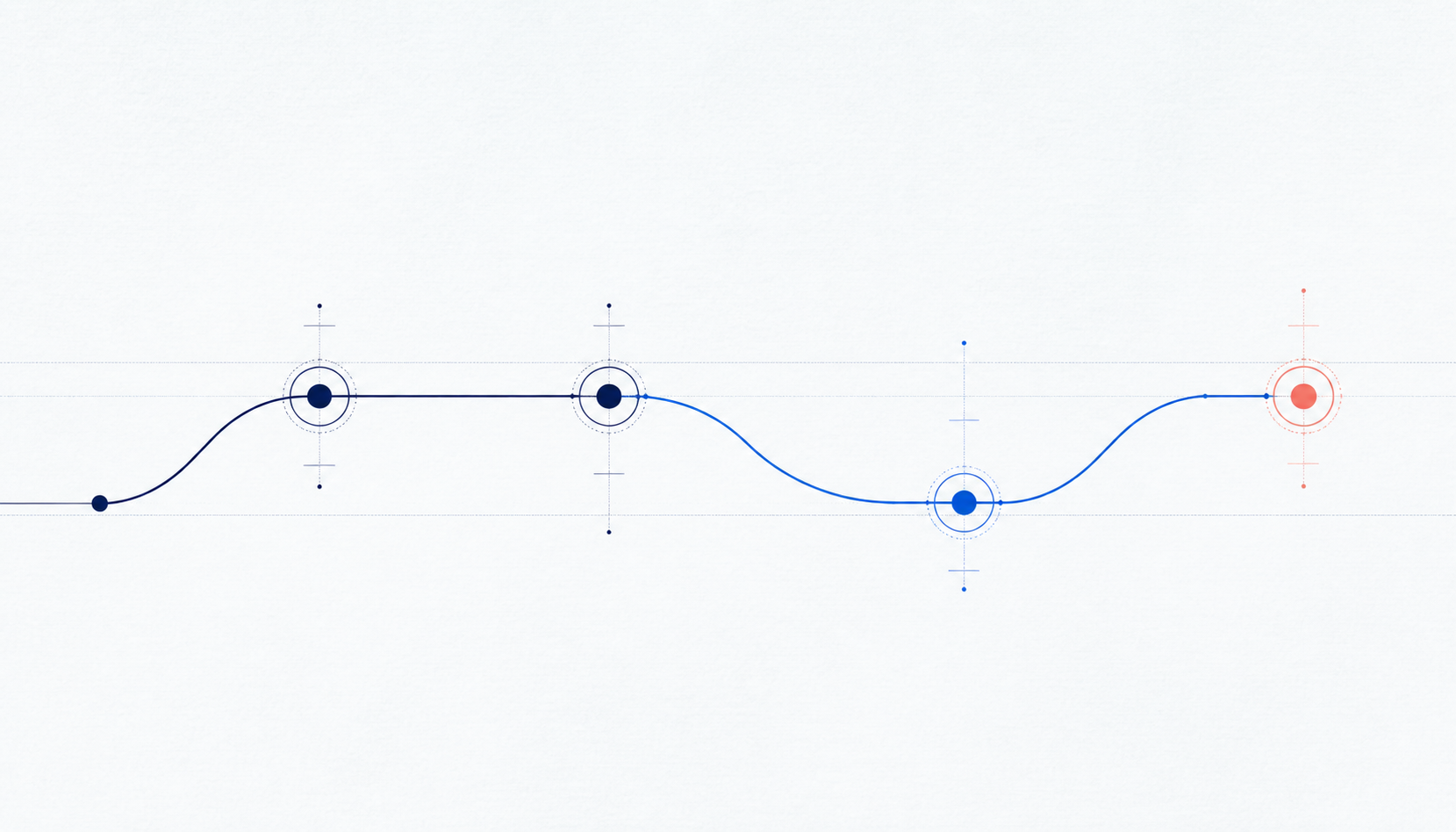
A clear, progressive process built around your goal
We define what matters, choose practical measures and adapt the plan to your response along the way.
01
Understand the starting point
Conversation and functional assessment clarify what currently limits you, what you want to return to and what that activity requires.
02
Define practical milestones
The path is divided into practical goals that can be reviewed and connected to the main objective.
03
Build the working plan
Treatment, exercise and load management—the amount and intensity of activity—are matched to your current position.
04
Review and adapt
We monitor your response, update the plan and add demand gradually when appropriate.
What we work on
Knee and ACL rehabilitation
Range of movement
We work on the movement required for sitting, standing, walking and more advanced tasks.
Strength
Leg strength is developed through loads and ranges that fit the current stage of rehabilitation.
Single-leg control
Balance and control are practised in tasks where one leg carries most of the load.
Running and direction changes
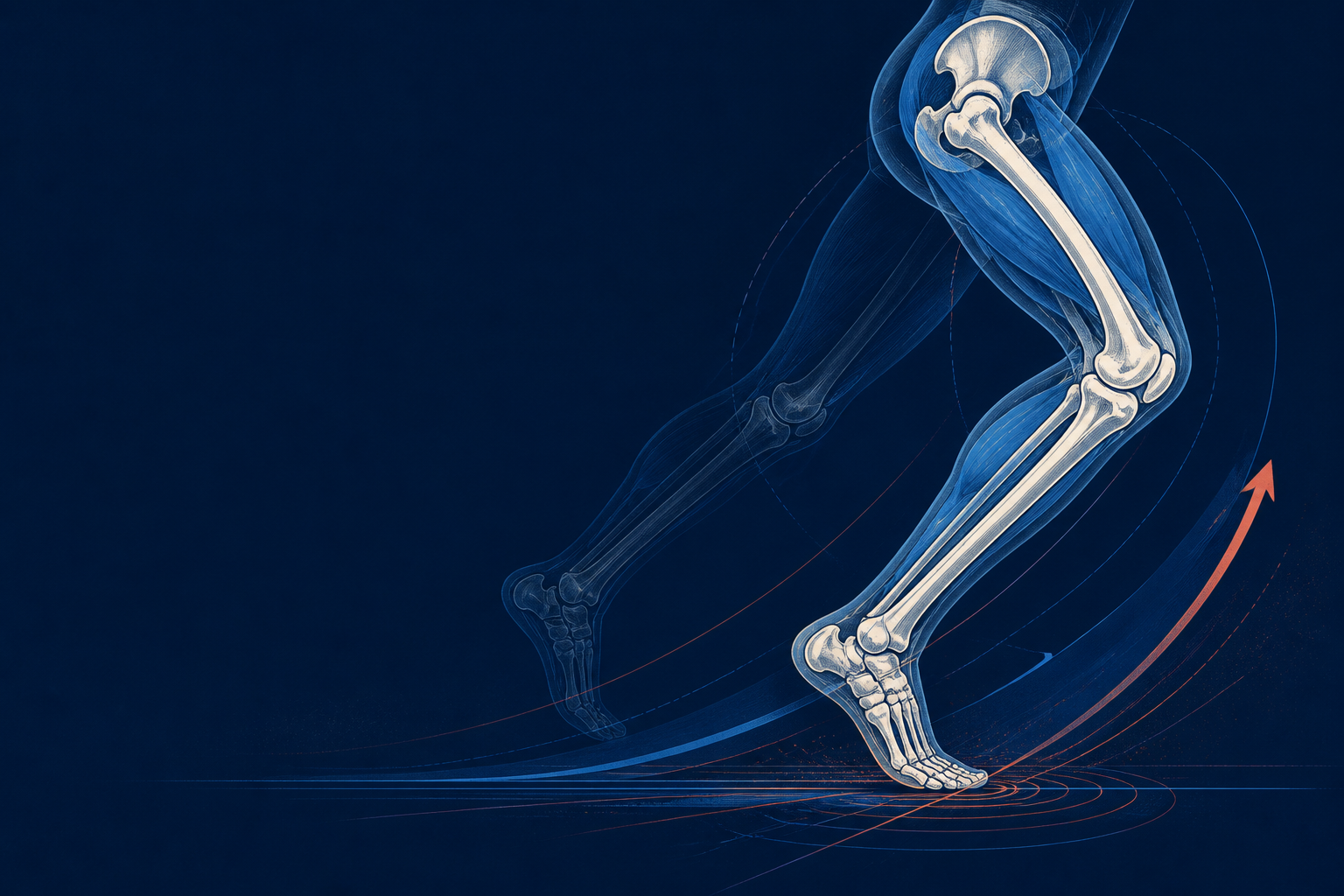
When relevant to the goal and stage, the plan progresses to running, landing and faster, more complex tasks.
Your first appointment
Map your current position and destination
The first appointment looks at how the knee works within relevant movements and tasks. After surgery, the plan also considers the guidance you received and your current stage.
- 01
Clarify which activities are currently limited
- 02
Review movement, strength and control in suitable tasks
- 03
Set practical milestones and a starting plan
Progress and measures
Progress by function, not the calendar alone
The next stage is based on movement, strength, control and response to load. Demand increases only when the required foundation is in place.
- Range of movement suited to the task
- Strength and control compared with the agreed goal
- Response to walking, training and more advanced tasks
Common questions
What to know about Knee and ACL rehabilitation
Short answers to questions that often come up before starting.
Can the process support rehabilitation after surgery?
Yes, when it follows your medical guidance and post-operative stage. Goals and loads are matched to your current position.
When do running or jumping begin?
Not by date alone. Movement, strength, control and response to preparatory tasks are reviewed first.
What happens at the first appointment?
We discuss your goal, complete a functional assessment, begin treatment and define practical next steps.
Treatment areas
Other treatment areas
Continue exploring the other treatment areas.
01
Sports physiotherapy
A process connecting your current capacity with the movement, pace and load required in training.
Learn more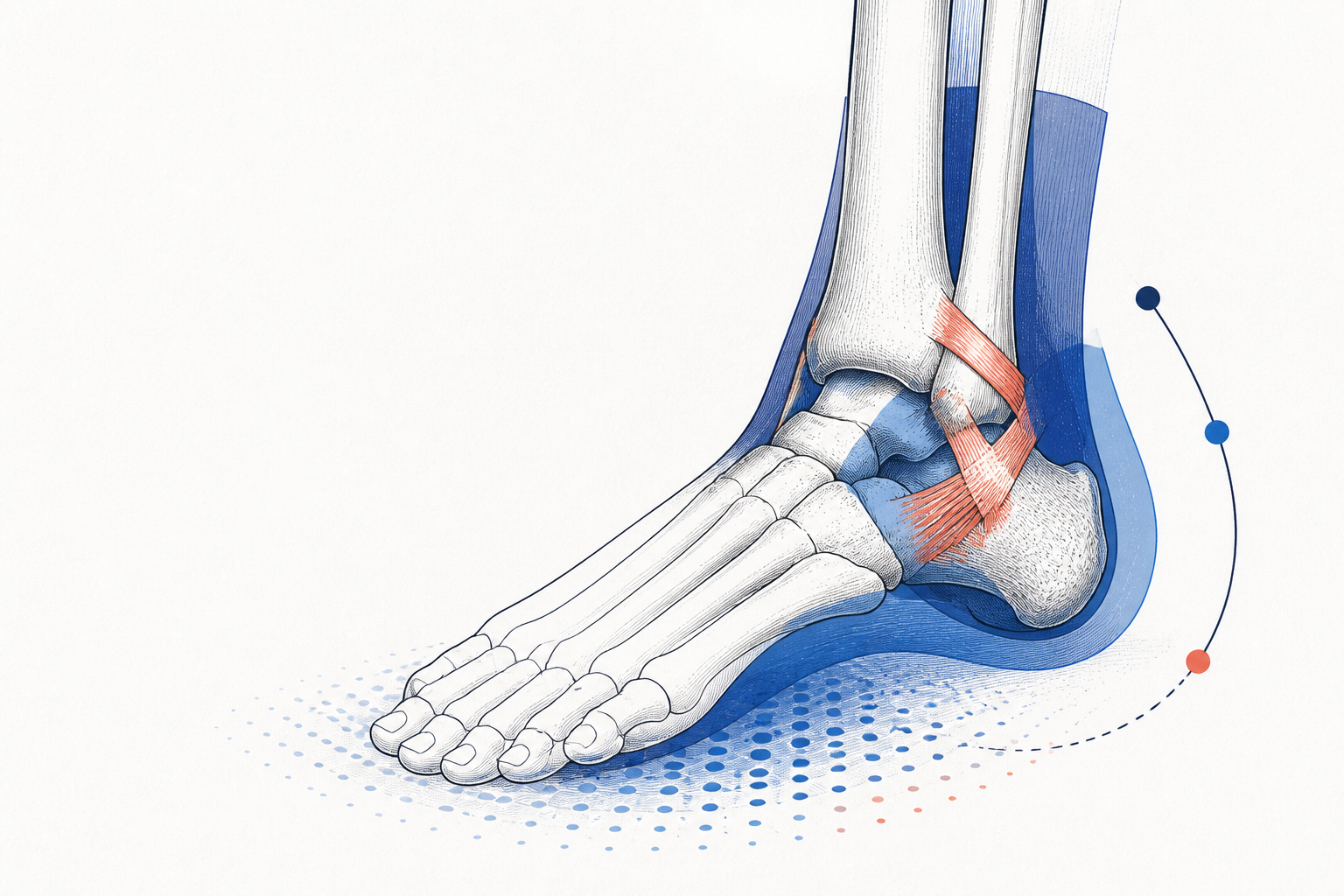
02
Ankle sprains and injuries
From comfortable daily movement to balance, landing and changes of direction.
Learn more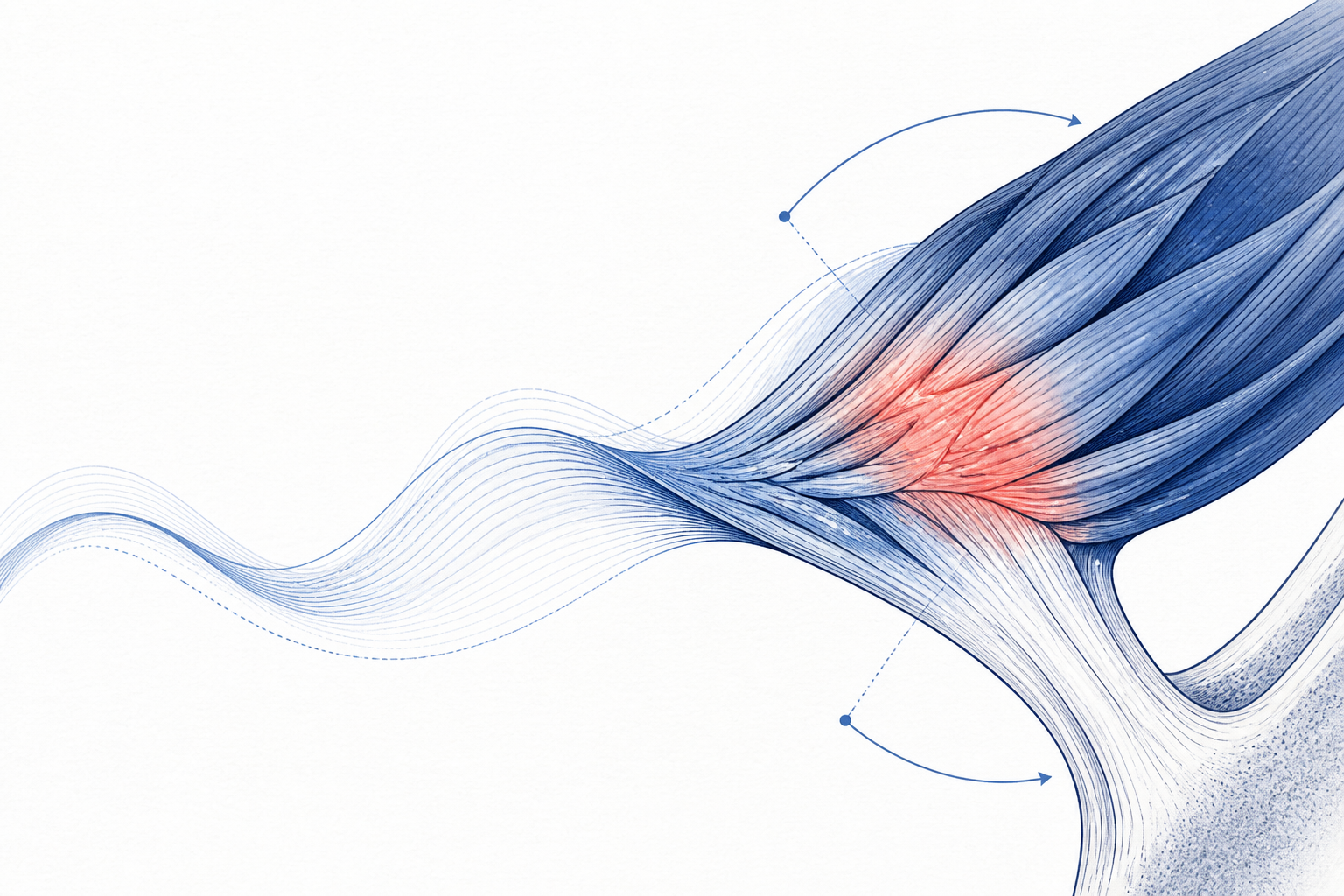
03
Muscle strains and tears
Gradually reintroduce range, strength and speed according to your response and activity goal.
Learn more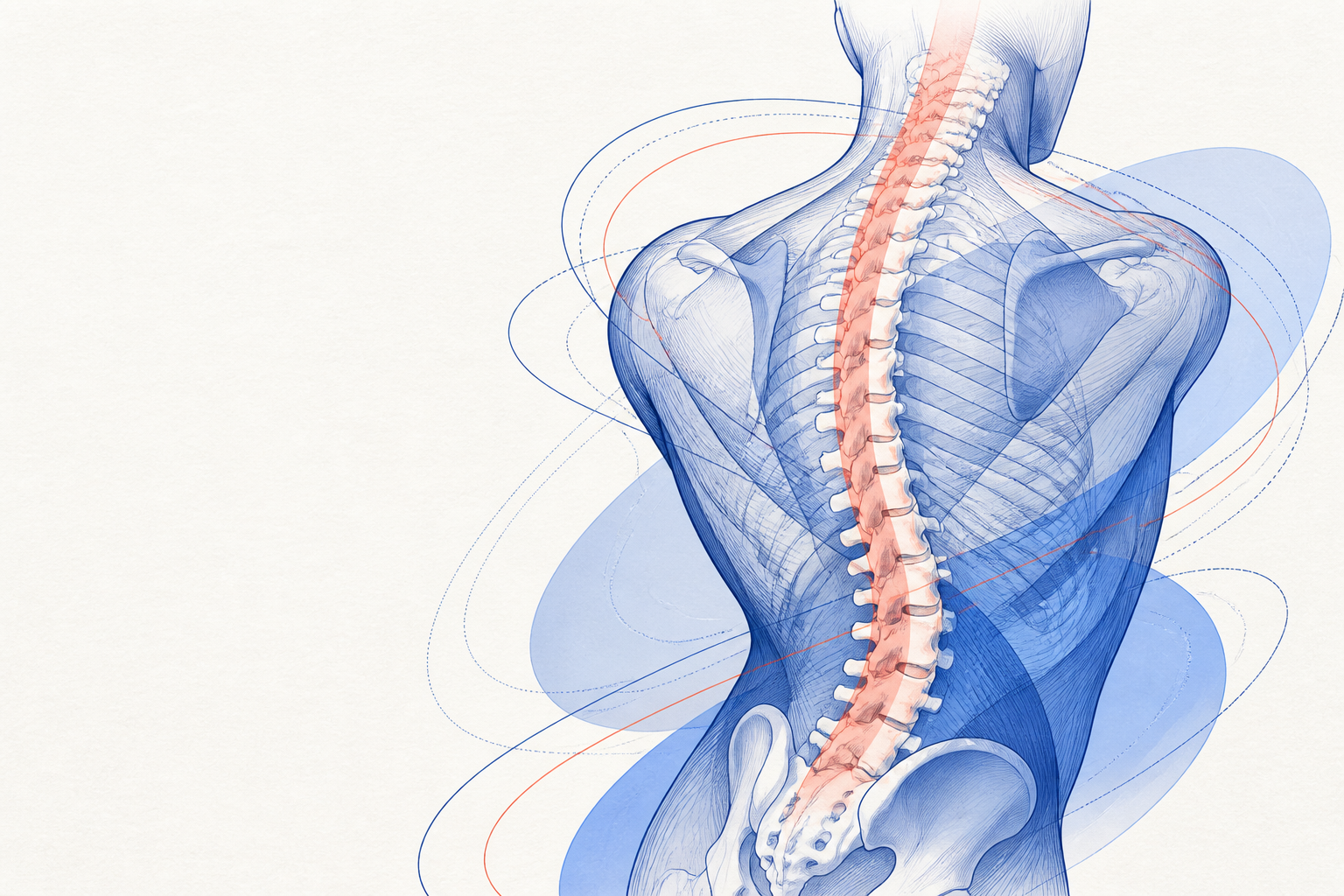
04
Back and neck pain
A practical plan for more comfortable movement in daily life, work and training.
Learn more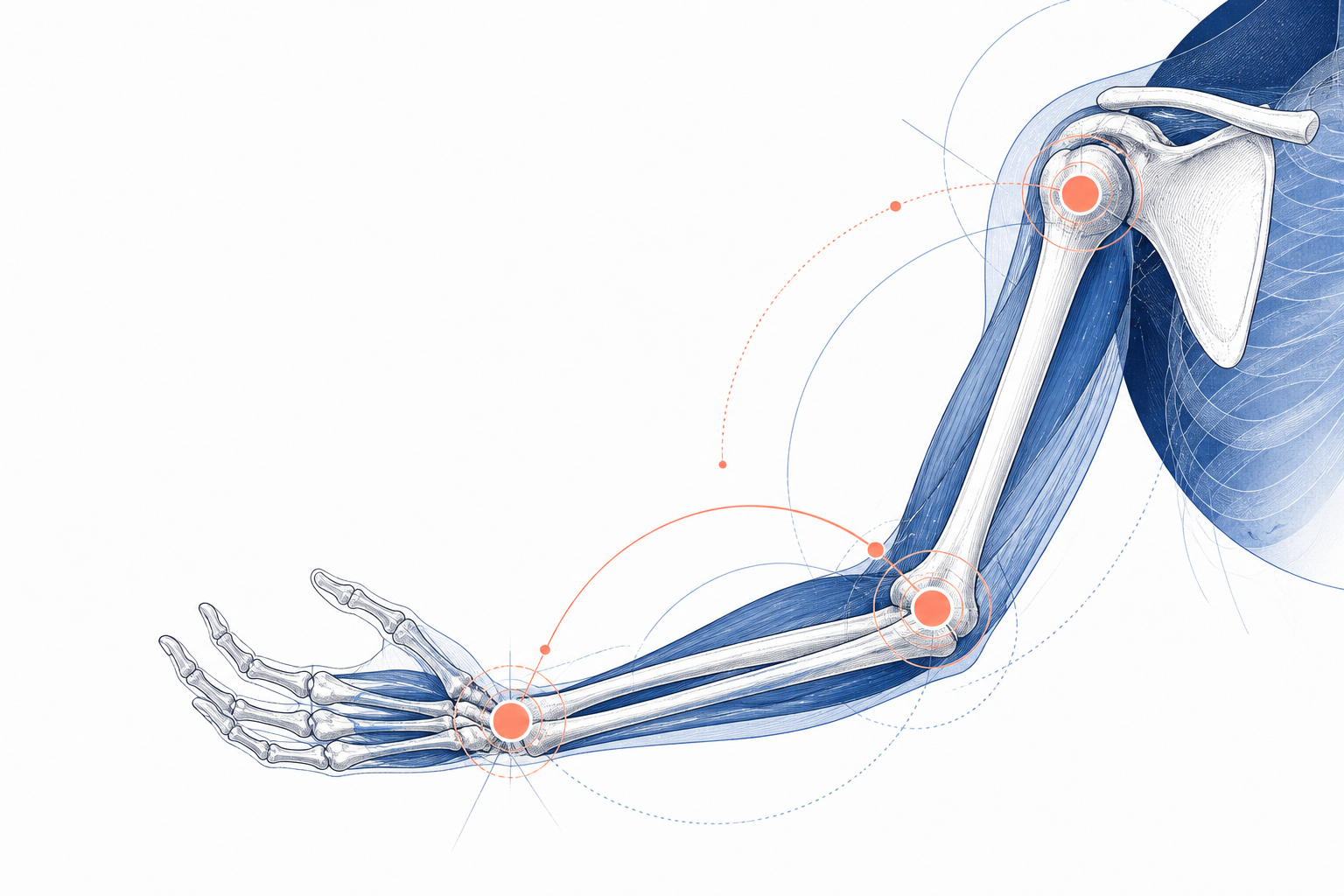
05
Orthopedic rehabilitation
A process connecting your current position with the activities that matter to you.
Learn morePricing
Treatment prices
All prices include VAT.
₪450
Treatment (45–60 min)
A 45–60 minute treatment session.
₪550
Treatment + plan building
Treatment and an individual working plan.
Want to understand the right next stage for your knee?
Start with a short enquiry and select knee and ACL rehabilitation as the treatment area.